Knowledge Hub
Tag: Silt Control
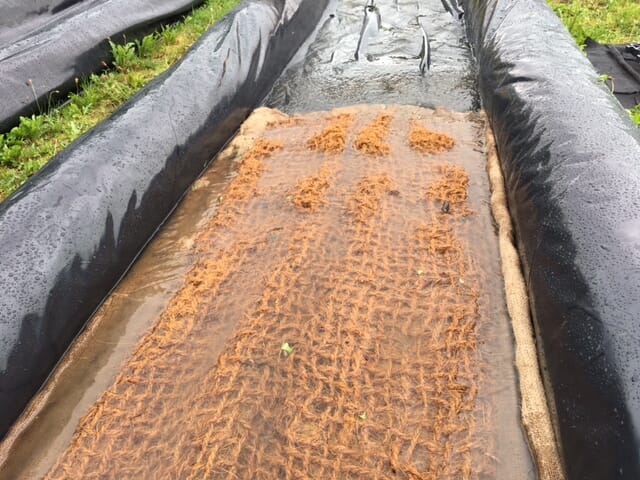
Trapping and retaining silt in streams
Learn about how Silt Mats™ can be deployed directly in channels downstream of earth moving or silt disturbance activities to trap and retain silt and prevent pollution.
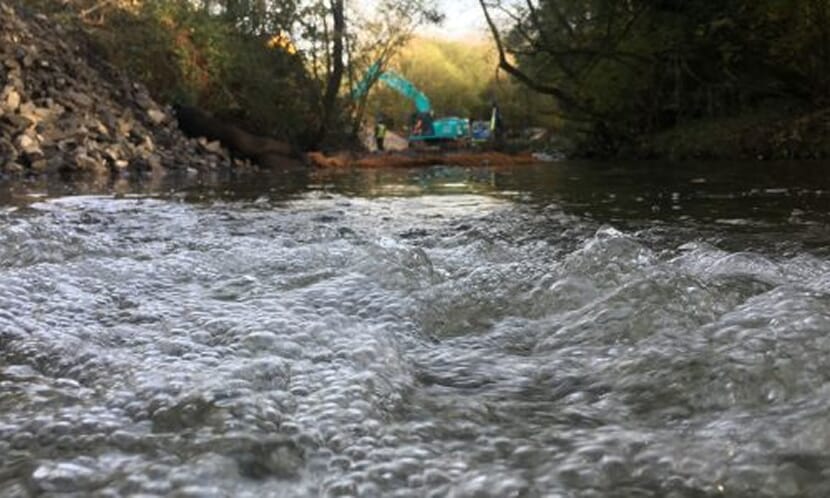
Silt management on the Afon Gwili
We used a range of products including: Floc Mat®, Silt Net, Bubble Tubing®, Silt Mat™ and Silt Wattles on this sensitive river project.

Removing silt from surface water
Leela, our Technical Director, explains how sediments and silts can be removed from surface waters using our flocculants.
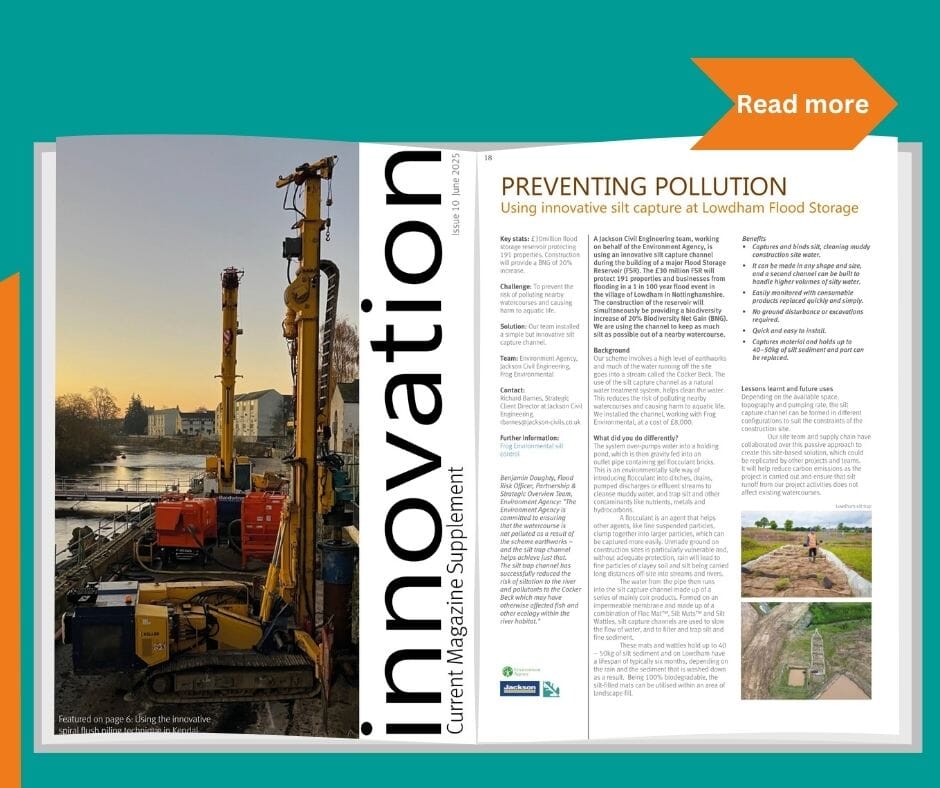
In the news: Preventing Pollution: Using innovative silt capture at Lowdham Flood Storage Reservoir
The Innovation Magazine, a publication covering environmental best practice, featured our innovative silt capture and water treatment system and how it’s being used during the build of a £30 million Flood Storage Reservoir.

Frog Environmental speak at international IECA erosion conference 2025
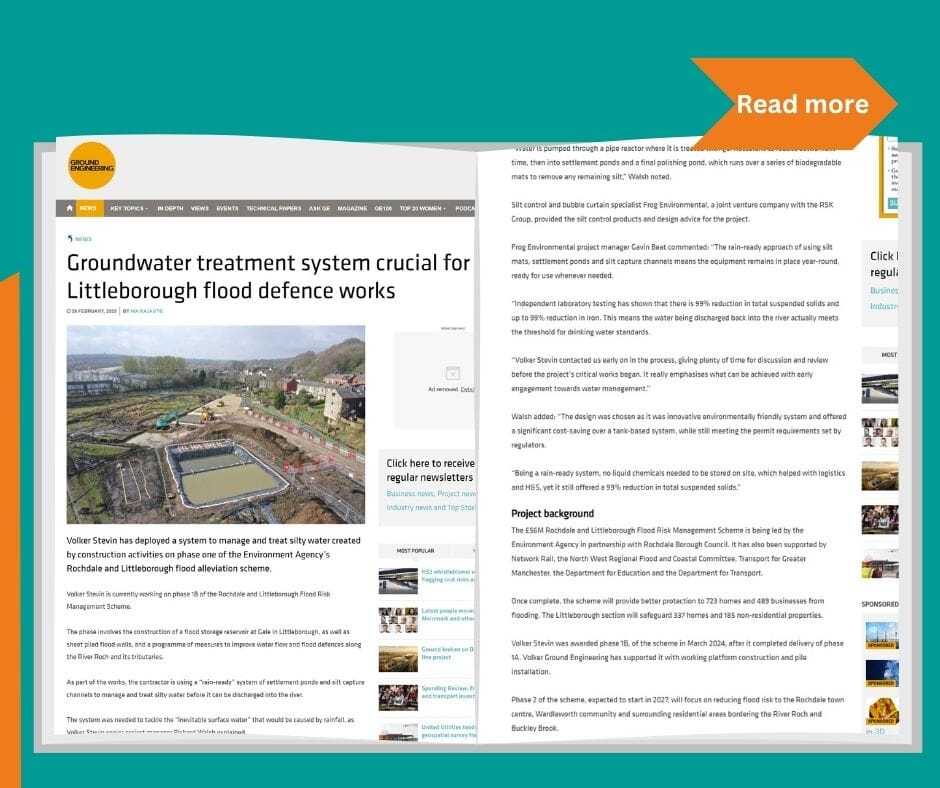
In the news: Groundwater treatment system crucial for Littleborough flood defence works
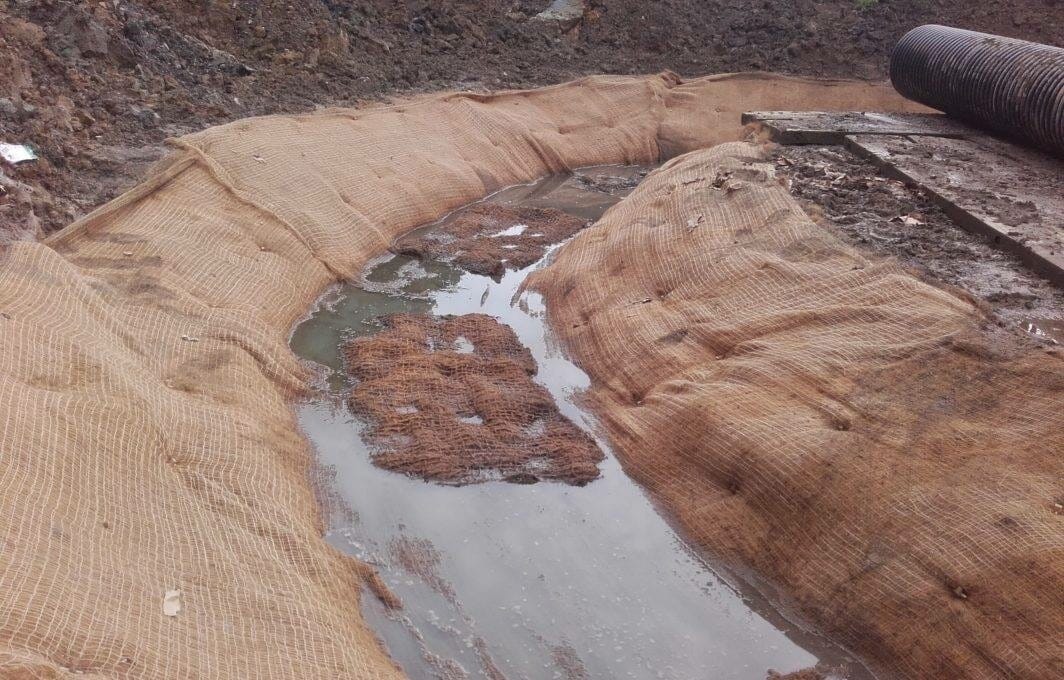
The advantages of lining ditches and swales in reducing erosion and pollution risks
In this article our technical team delves into why it's important to line ditches and swales to help minimise erosion and pollution risks on construction sites.
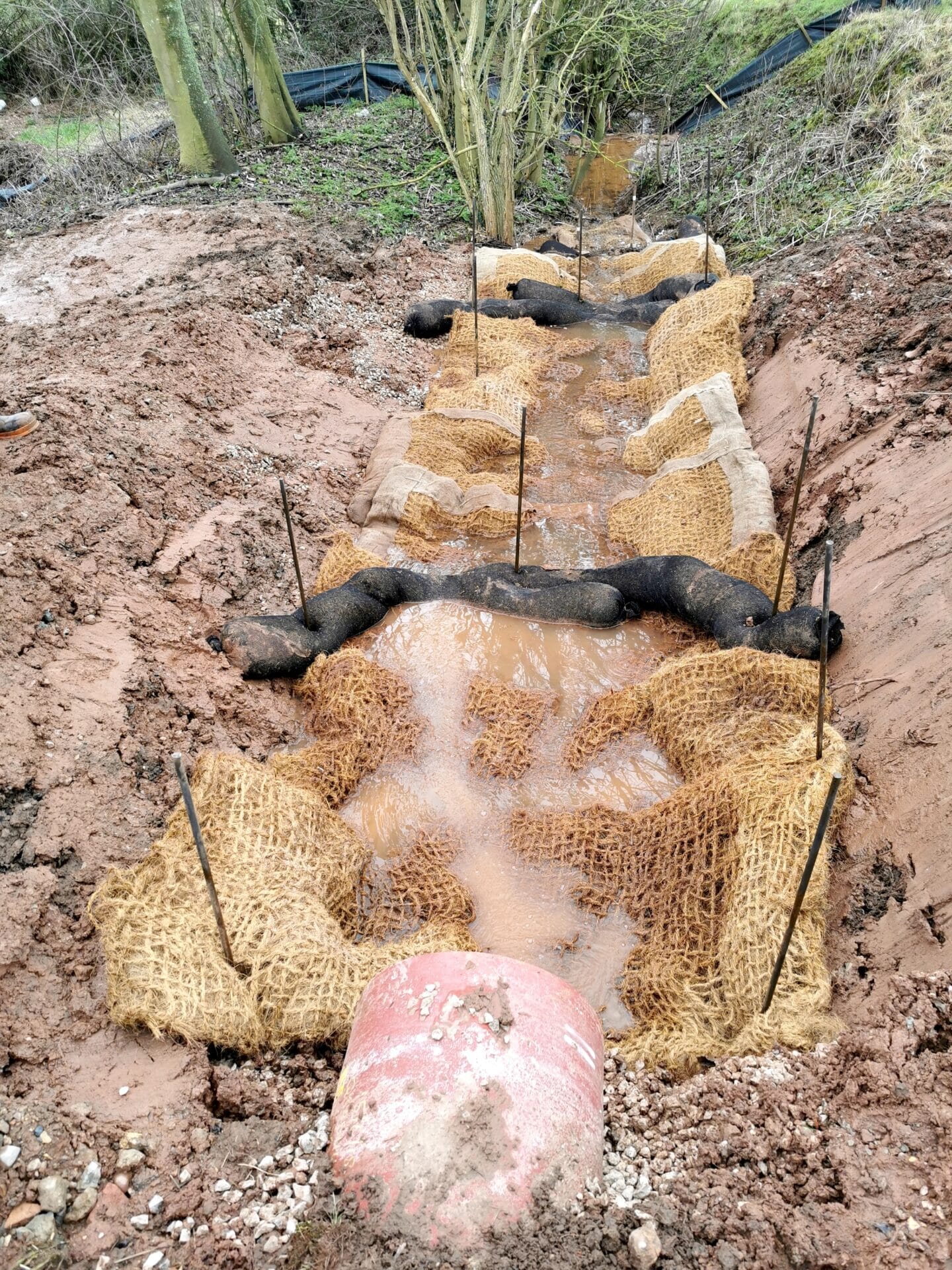
Silt treatment made simple
Preventing silt pollution and cleaning surface water before discharge can be achieved through preparation and the use of simple interventions on construction sites
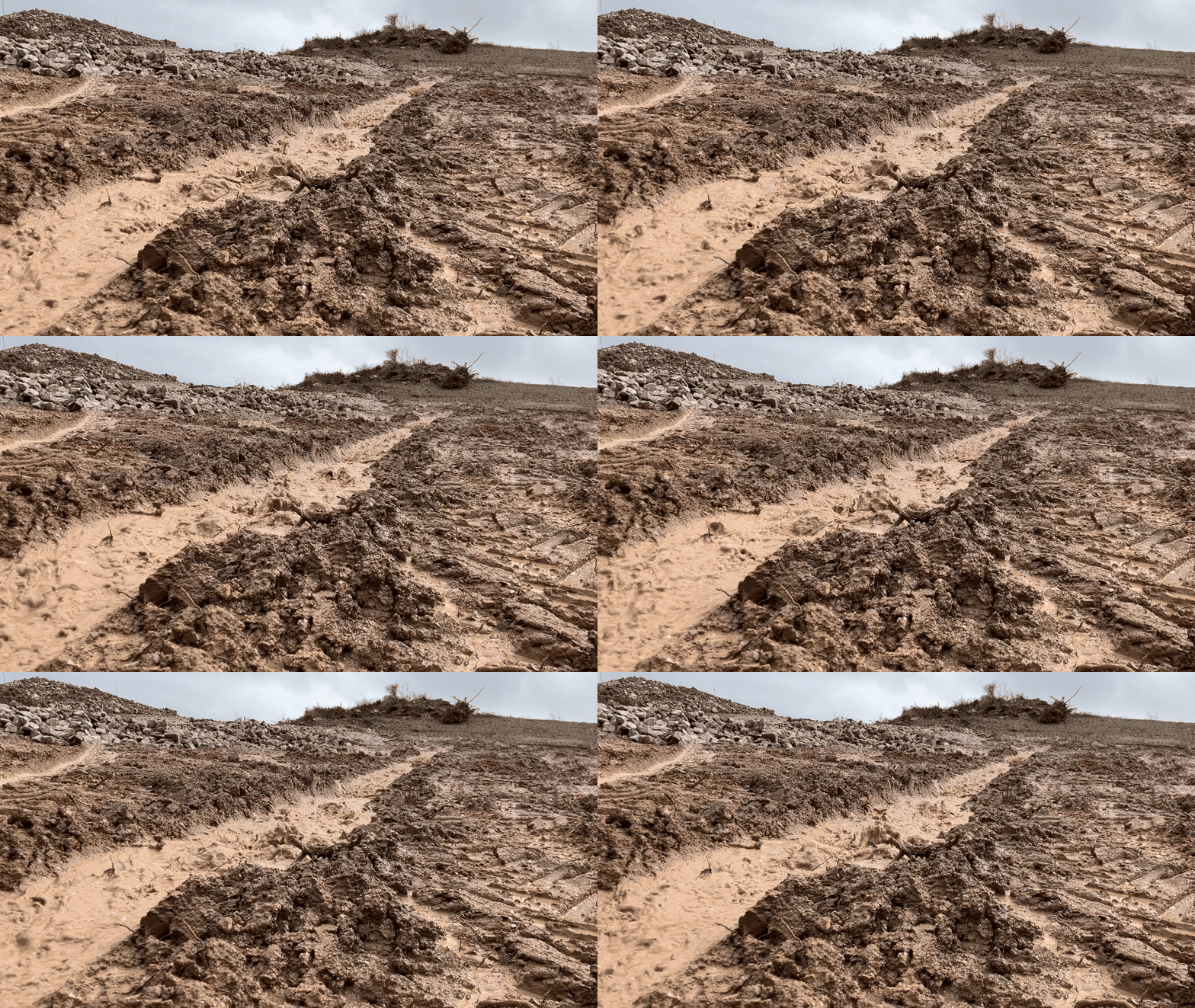
Silt particle size matters: A crucial factor in Surface Water Management Plans
Knowing your silt particle size is key to success. With more construction and unprecedented wet weather, effective flood risk management has become increasingly important to avoid pollution risks and uncapped fines.

In the news: Being ‘rain ready’ on site means managing silt to prevent pollution and protect reputation
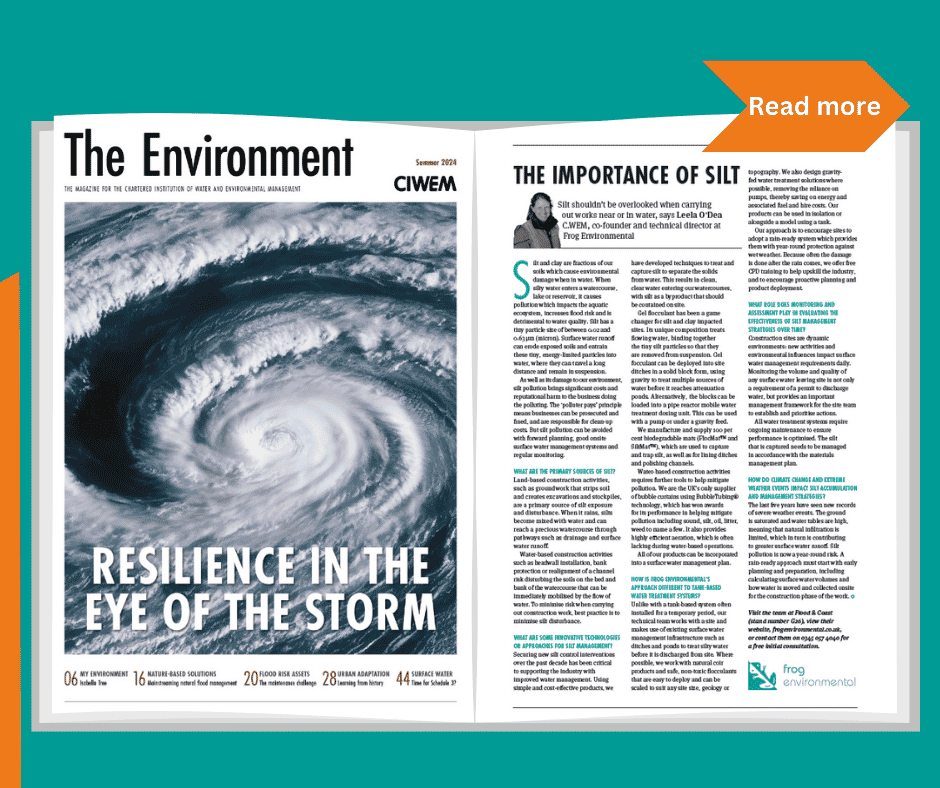
In the news: The importance of silt
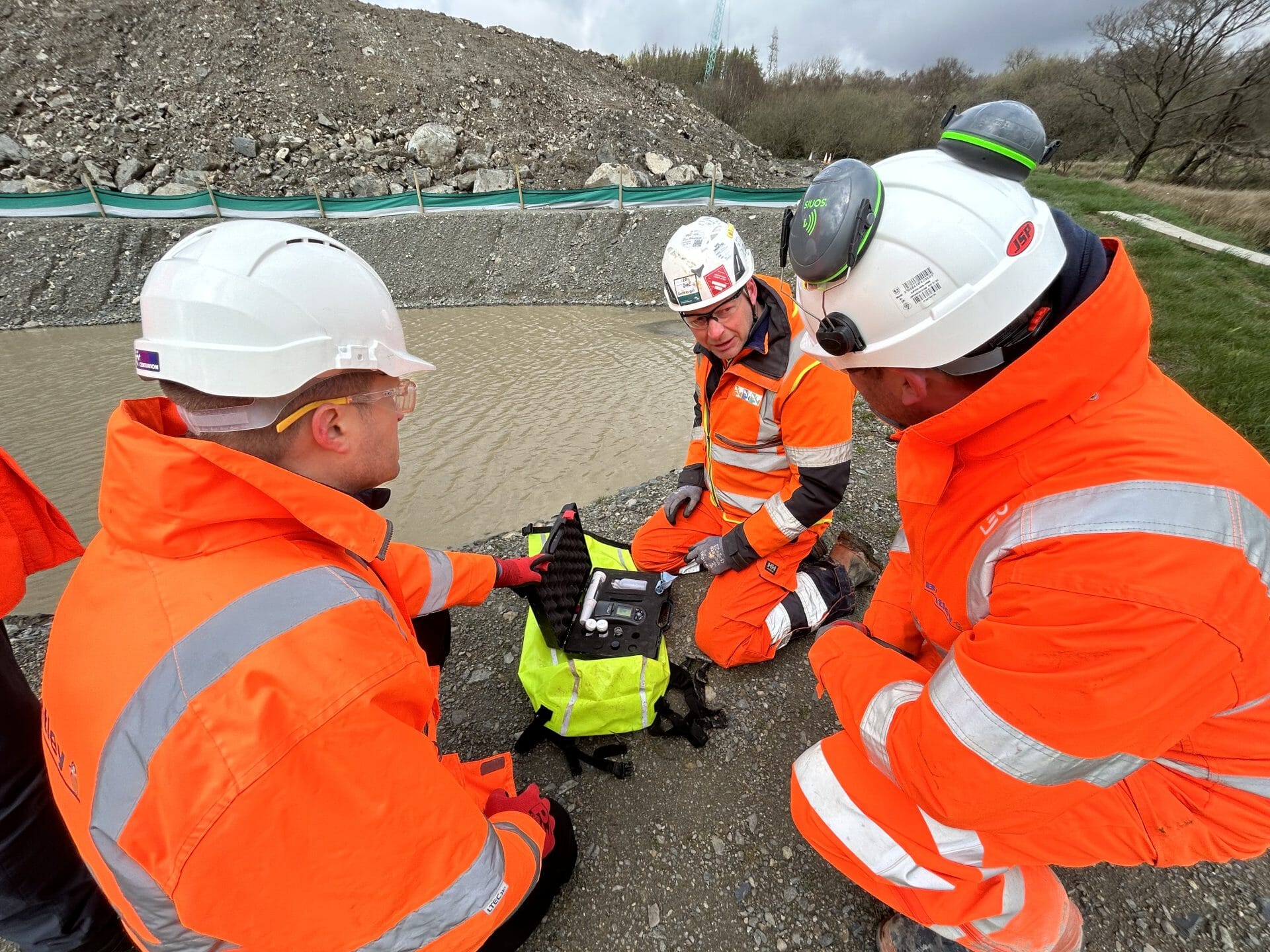
Monitoring water quality during construction
In this guide to monitoring, our technical team shares best practice to help the construction industry with monitoring water quality before it leaves site.