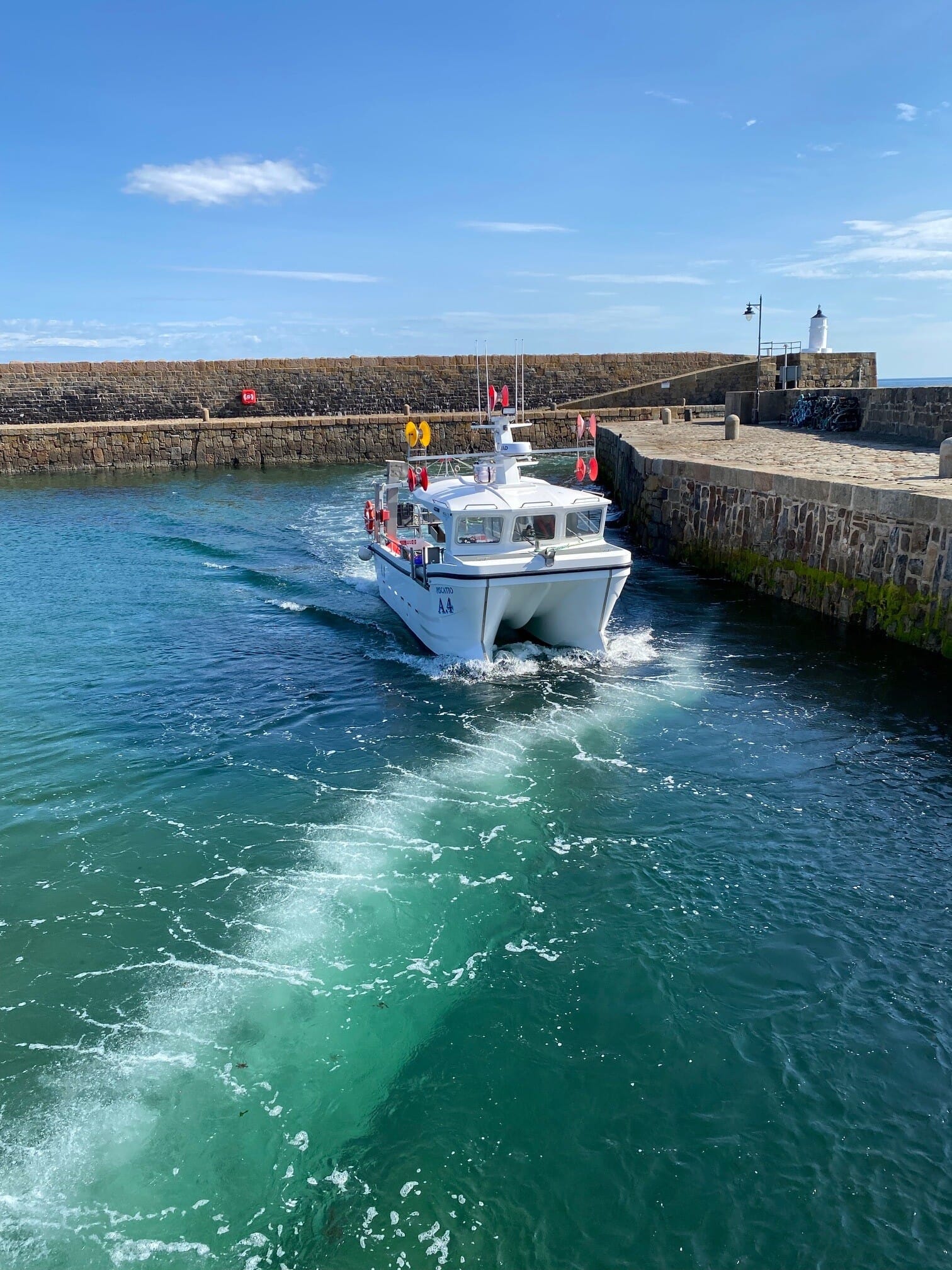
Bubble Curtain at Banff Marina
The Challenge
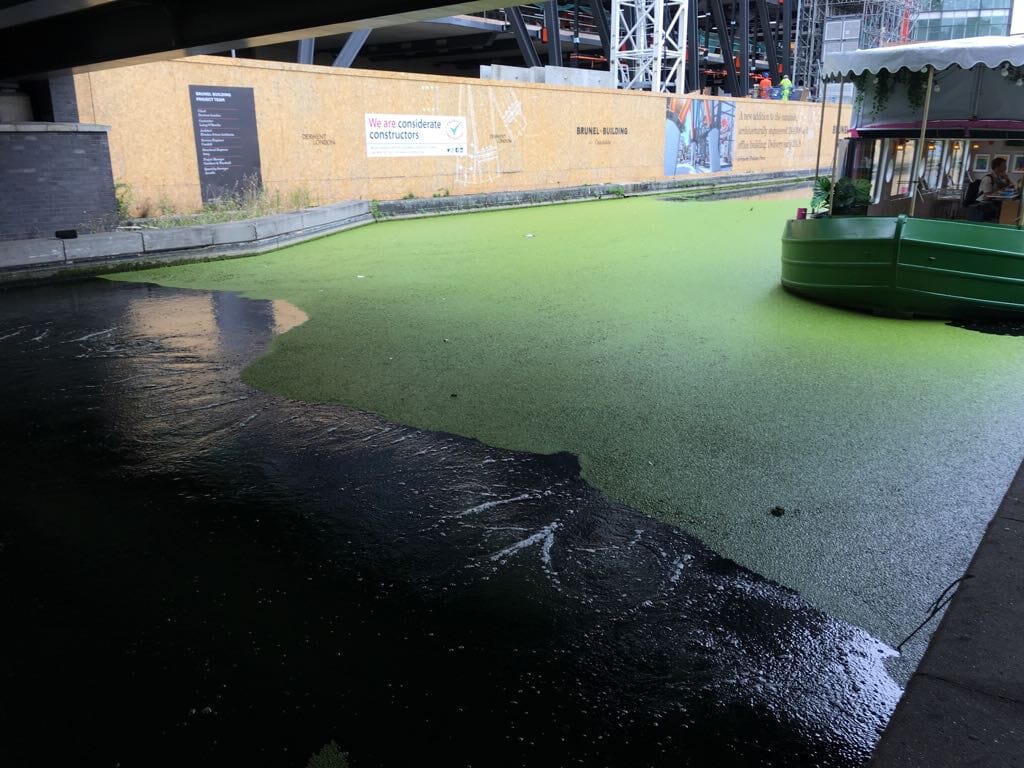
Currents carry seaweed, organic material, silt and debris into harbours and marinas. It settles, builds up and eventually needs to be removed.
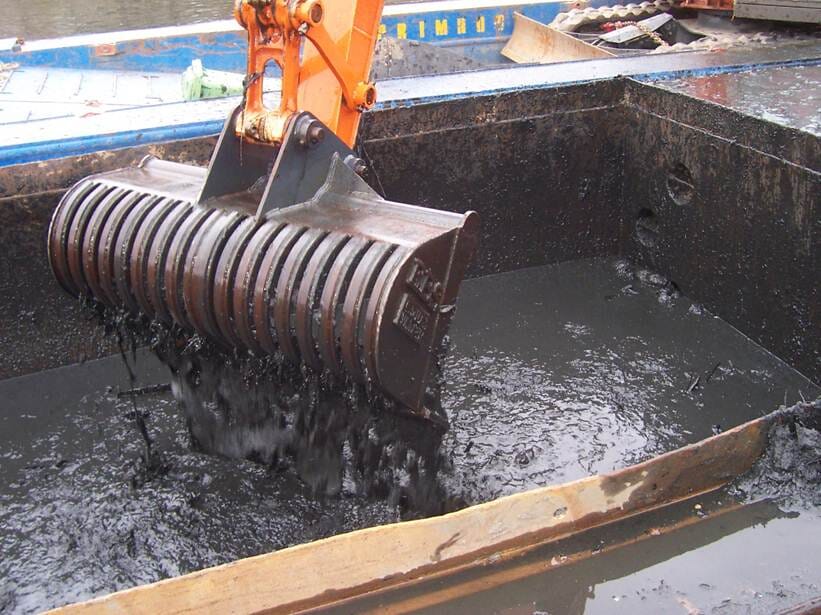
This usually means dredging, which takes specialist equipment, people, fuel and time. As the material keeps arriving, the work has to be repeated.
At Banff Marina, the Bubble Curtain is being used to assess how much of this material can be stopped before it enters the marina, with the aim of reducing maintenance and dredging costs.
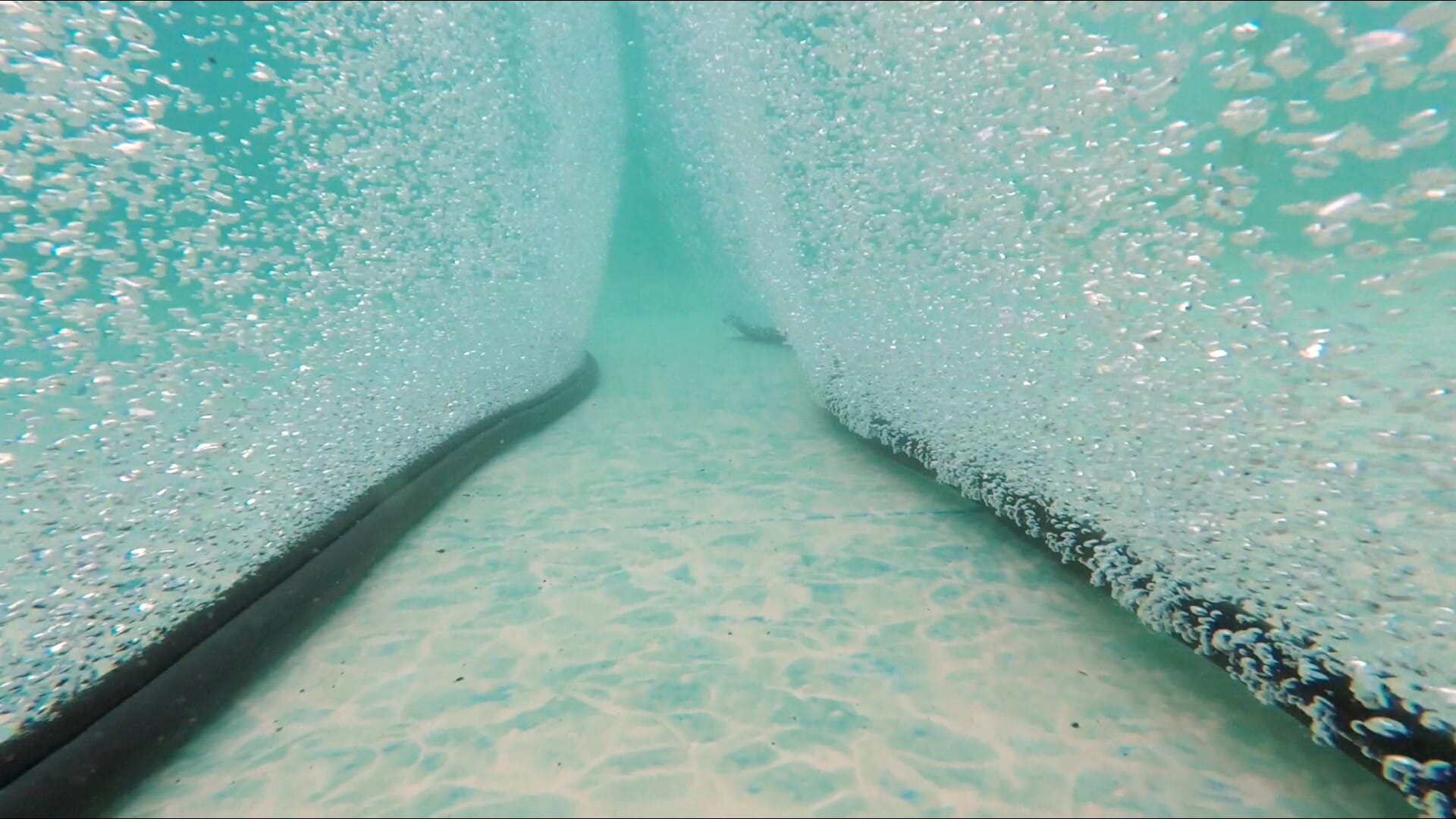
What is a Bubble Curtain?
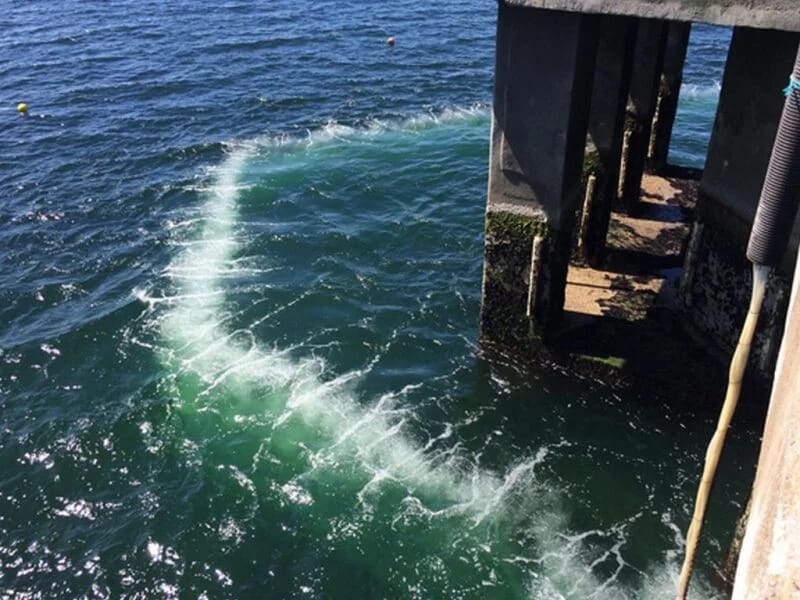
A Bubble Curtain is a rising plume of microbubbles that forms a controllable barrier in the water. Compressed air is released through Bubble Tubing® laid on the seabed or riverbed, and as the bubbles rise, they create an upward current. This intercepts and deflects floating material, such as weed, biomass and debris, before it can build up. The barrier is permeable, so it does not block navigation. Airflow can also be adjusted to suit site conditions.
How does the Banff Marina Bubble Curtain work?
- Size: a 30-metre double Bubble Curtain, using two lengths of Bubble Tubing® for a more robust curtain.
- Air supply: a single shore-based compressor sends air through feeder hoses to the Bubble Tubing® underwater.
- Aim: to deflect incoming seaweed, biomass and debris towards the foreshore, where it is easier to reach and remove. Less material entering the inner marina should mean less settling in areas that would need dredging.
- Operation: the system doesn’t need to run all the time. It can be switched on during the tidal conditions when the most material is likely to be carried in.
Can a Bubble Curtain reduce dredging?
Frog Environmental has a wealth of experience specifying Bubble Curtains to contain and deflect sediment plumes created during construction projects. However, this is our first project in a marina setting that is designed to be in situ long term and reduce cyclical dredging of silt, debris and biomass. We will be working with Aberdeenshire Council’s harbour authority over the winter to assess how effective the Bubble Curtain is and will share our joint findings in spring 2027.
Can boats still cross a Bubble Curtain?
Yes. A traditional physical barrier across the water could get in the way of vessels, but a Bubble Curtain doesn’t. The equipment sits underwater and the bubbles do the work, so boats can continue to cross the curtain whilst it is running.
What happens next
The Bubble Curtain has been in place since May, and winter will be the real test. Rougher conditions bring more seaweed and biomass into the water, so we will be able to see how the system performs when demand is at its highest.
We will work with Banff Marina throughout the season to gather real-world evidence. This will show how the curtain is performing and allow us to fine-tune the system if needed.
If the curtain can divert even a proportion of material before it reaches the marina, it could give ports, harbours and marinas another way to manage the cost and effort of cyclical dredging. We will share what we learn as the project develops.
Frog Environmental are trusted water quality and silt control specialists working with contractors, regulators, and consultants within construction, utilities, marine, coastal, and public sector industries across the UK.
We have decades of experience in advising clients on surface water and silt management, and industry-leading products to help avoid risks of polluting. We also run training and CPD courses (some are free to attend).
For products, services, training and technical sales support contact our technical team or call 0345 057 4040, or follow our news and updates.