Construction runoff: Why misunderstanding sewers can lead to pollution

Not all sewers are the same: Surface water, foul and combined sewers explained for construction projects
In this article our technical team delve into why not all sewers are the same, and why understanding the pathway your construction site water takes is critical for managing environmental risk responsibly, particularly under regulations covering England & Wales.
“The water goes into a sewer”
In conversations about pollution from construction sites, this phrase is said again and again.
On the surface, that sounds reassuring. It suggests that the water is being carried away safely and responsibly. In practice, however, this statement tells us very little about environmental risk. From a pollution prevention perspective, it is almost meaningless.
The reason is simple: not all sewers are the same.
A sewer could carry water to a wastewater treatment works. It could discharge directly to a river. It might overflow during heavy rain. Each of these situations presents different environmental risks and involves permissions from different stakeholders.
Understanding the type of sewer involved is therefore a fundamental step in managing water responsibly on construction sites.
To make sense of this, it helps to step back and look at the problem using a simple environmental risk framework: Source – Pathway – Receptor.
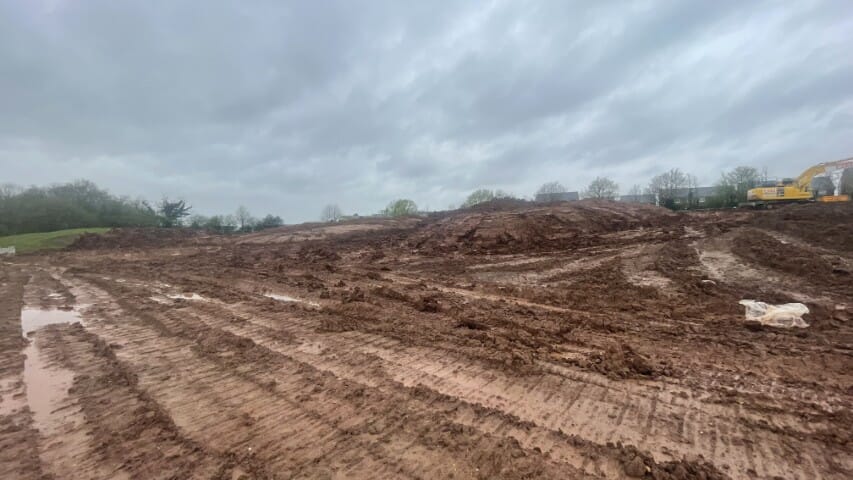
The Source – Pathway – Receptor framework
Assessing pollution risk becomes less complicated when broken into these basic components.
Source
The material that could cause pollution. On construction sites this often includes:
- silty water from earthworks
- concrete washout
- oil from plant.
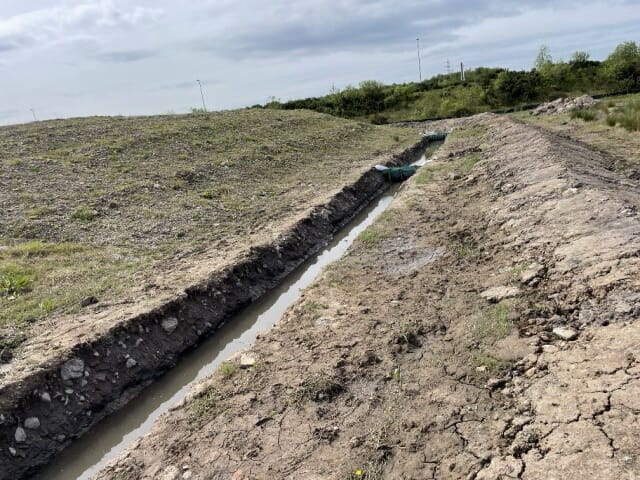
Pathway
The route that allows pollution to travel.
This might include:
- drainage networks
- pipes and sewers
- pumped discharges
- overland flow.
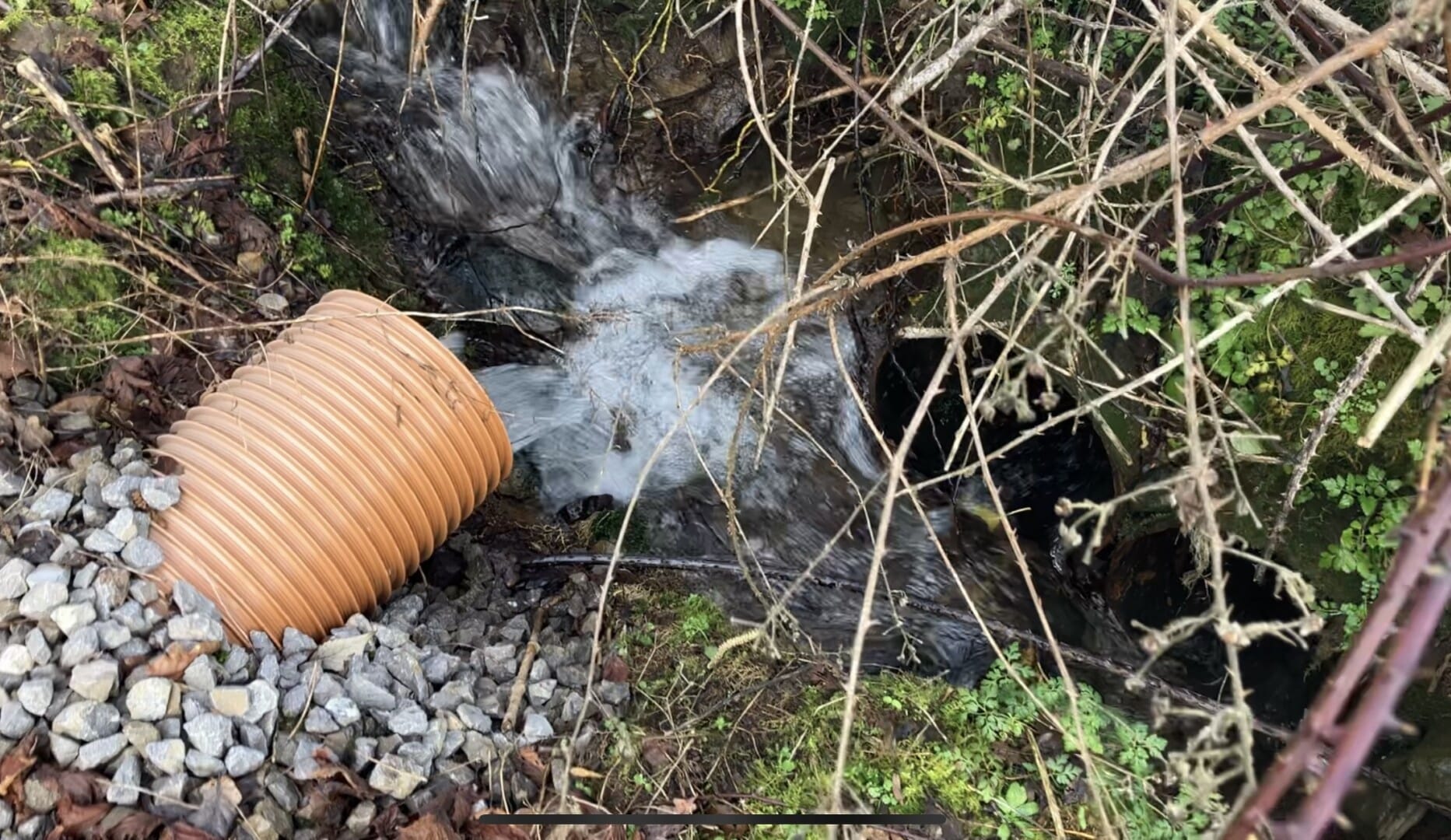
Receptor
The thing that could be harmed by the pollution.
Common receptors include:
- rivers and streams
- lakes and ponds
- groundwater
- wetlands and protected habitats.
The important point is this: a sewer is not the receptor.
It is part of the pathway.
Where does that water going into a sewer ultimately end up?
To answer that question from an environmental perspective, we need to understand the type of sewer involved.
Surface water sewers
A surface water sewer is designed to carry rainwater and runoff away from roads, roofs and paved areas.
Crucially, surface water sewers typically discharge directly into rivers, streams, or other surface water bodies, usually without any form of treatment.
From an environmental standpoint, this creates a direct pathway between a construction site and the natural environment.
If silty water, cement residues, or contaminated runoff enter a surface water sewer, they can be transported quickly into nearby watercourses. In many cases the discharge point may be only a short distance downstream from the site.
For this reason, surface water sewers represent one of the highest-risk pollution pathways associated with construction sites.
Understanding whether a drain connects to a surface water system is therefore critical before any pumping, dewatering, or discharge takes place.
A site is very likely to need a permit if discharging to surface water sewer. Our technical team have put together separate guidance on temporary discharge permits.
Foul sewers
A foul sewer carries wastewater from buildings and facilities to a wastewater treatment works.
At the treatment works, the water undergoes a series of processes designed to remove solids, nutrients, and other contaminants before the treated effluent is discharged to the environment.
Because of this treatment stage, foul sewers may appear to offer a safer option for certain types of discharge. However, they are not an unrestricted disposal route.
Wastewater treatment works are designed to handle domestic sewage and certain permitted industrial inputs. High sediment loads, cementitious materials, or chemical contamination can disrupt treatment processes, damage infrastructure, or cause operational problems.
For this reason, any discharge to a foul sewer typically requires permission from the sewer undertaker. The water company may impose limits on flow rates, suspended solids, or other parameters before accepting the discharge.
Simply assuming that construction water can be sent to a foul sewer without consultation can therefore lead to operational issues and regulatory breaches.
Combined sewers
A combined sewer carries both foul wastewater and surface water within the same pipe network.
Combined systems are common in many older urban areas, where historic drainage infrastructure developed before separate sewer networks became standard practice.
Under normal conditions, combined sewers transport water to a wastewater treatment works. However, during periods of heavy rainfall the system may reach capacity. When this happens, excess water can be released through structures known as Combined Sewer Overflows (CSOs).
These overflows are designed to prevent flooding of properties and infrastructure by allowing diluted wastewater to discharge into nearby rivers or coastal waters during storm events.
From a construction site perspective, this means that pollution entering a combined sewer does not always remain within the treatment system. During storm conditions, that material may still reach the natural environment via an overflow.
The combined sewer is the responsibility of the local utility provider, and permission must be sought prior to releasing construction site run off into one.
The importance of the receiving watercourse
Understanding the type of sewer is only part of the picture. Identifying the receiving watercourse is key to assessing and managing risk of pollution.
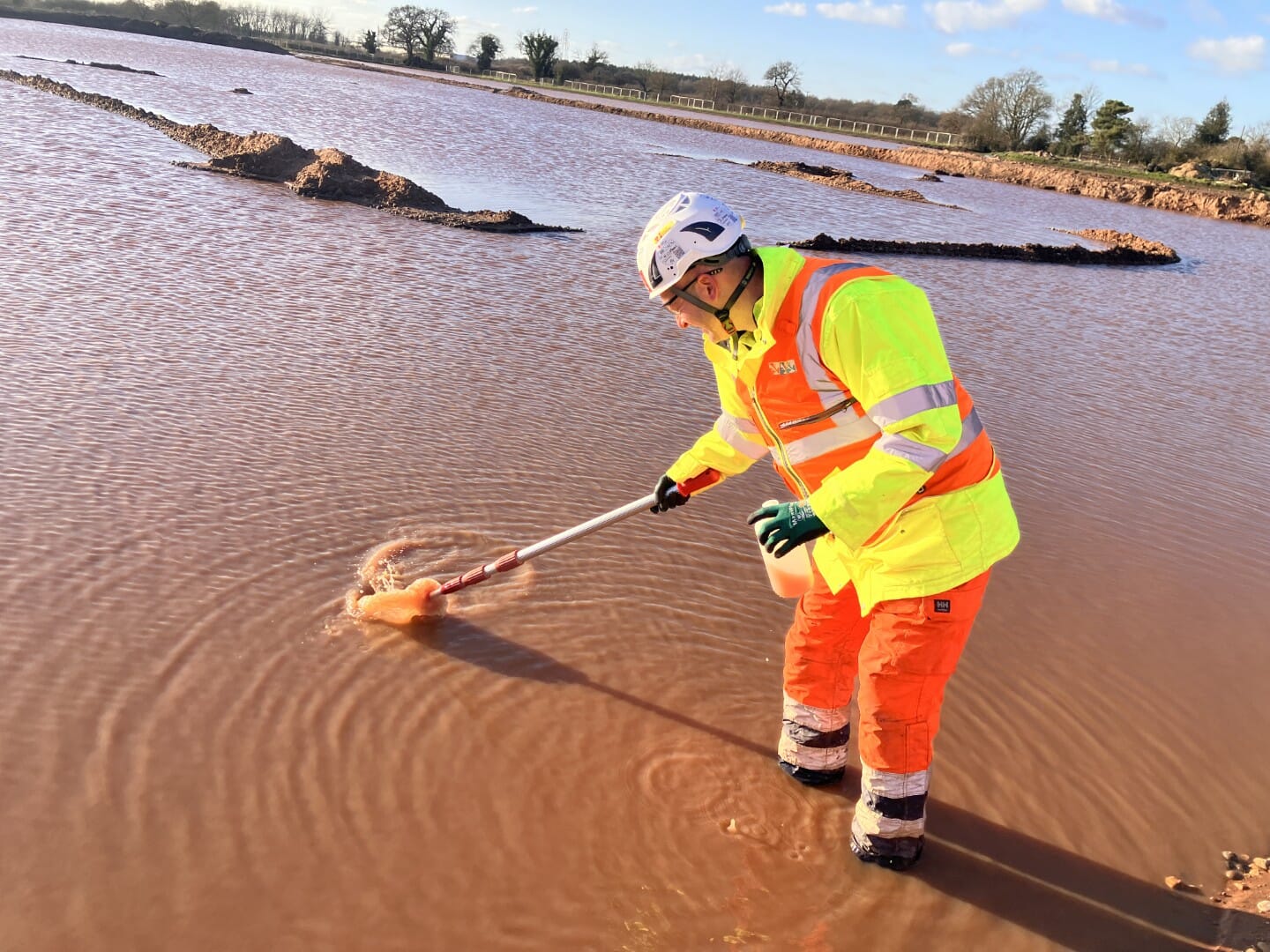
Water that leaves a construction site does not disappear when it enters a drain or sewer. It simply begins a journey through the drainage network until it reaches the environment.
That destination might be:
- a small urban stream or brook
- a major river
- an estuary
- or a discharge point downstream of a treatment works.
The sensitivity of that receiving environment matters. Some watercourses may already be under pressure from sediment, nutrients, or other pollutants. Others may support protected habitats or sensitive species.
Without understanding the receiving watercourse, it is impossible to fully assess the consequences of a discharge.
In practical terms, this means that responsible site water management requires looking beyond the nearest drain and asking a more fundamental question: Where does the water ultimately go?
Identifying the right stakeholders
Another reason sewer type matters is that it determines who needs to be involved.
Different drainage systems fall under the responsibility of different organisations. Identifying the correct stakeholder early helps ensure that permissions, conditions, and operational requirements are properly addressed. For example:
- foul and combined sewers are generally managed by the local water company.
- surface water discharges to rivers and streams will require permission from the regulator such as Environment Agency in England and Natural Resources Wales in Wales. Remember, it is the receptor that counts, not the pathway.
Understanding the drainage system therefore helps define the regulatory pathway as well as the physical one.
Drainage systems are largely invisible
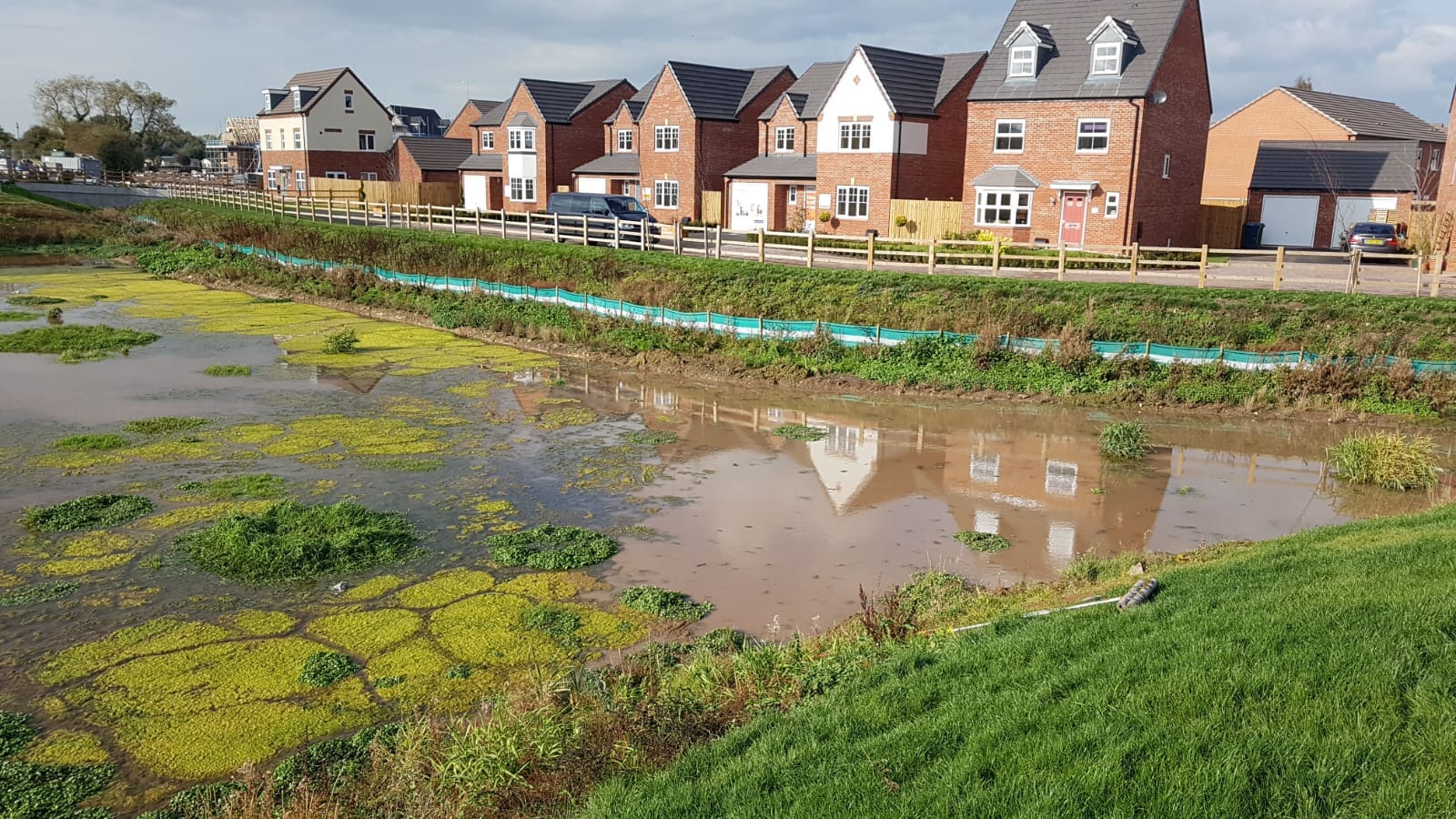
Out of sight should not mean out of mind. Pipes run underground, outfalls are often hidden, and water disappears quickly once it enters a gully or manhole.
This invisibility can create the impression that once water leaves the site, the problem has been solved.
In reality, the opposite is true.
Sewers and drains simply move water from one place to another. If that water contains sediment, pollutants, or contaminated runoff, the drainage network becomes the mechanism that delivers those materials to the wider environment.
Understanding sewer types, drainage pathways, and receiving watercourses is therefore not just a technical exercise. It is a core part of responsible construction site management.
The next time someone says, “the water goes into a sewer,” the most important question to ask is the simplest one: What kind of sewer?
How can Frog Environmental help?
We help contractors across the UK with early intervention silt-control solutions, permitting guidance and training on how to manage water quality on site.
If you need project-specific support or want to discuss a temporary water discharge permit, our team can help.
Get in touch →[Talk to our experts]
Watch our recent webinar recording → [Environmental Permitting: a Guide to Discharging Water From UK Sites]
See some of our cost-effective silt control solutions
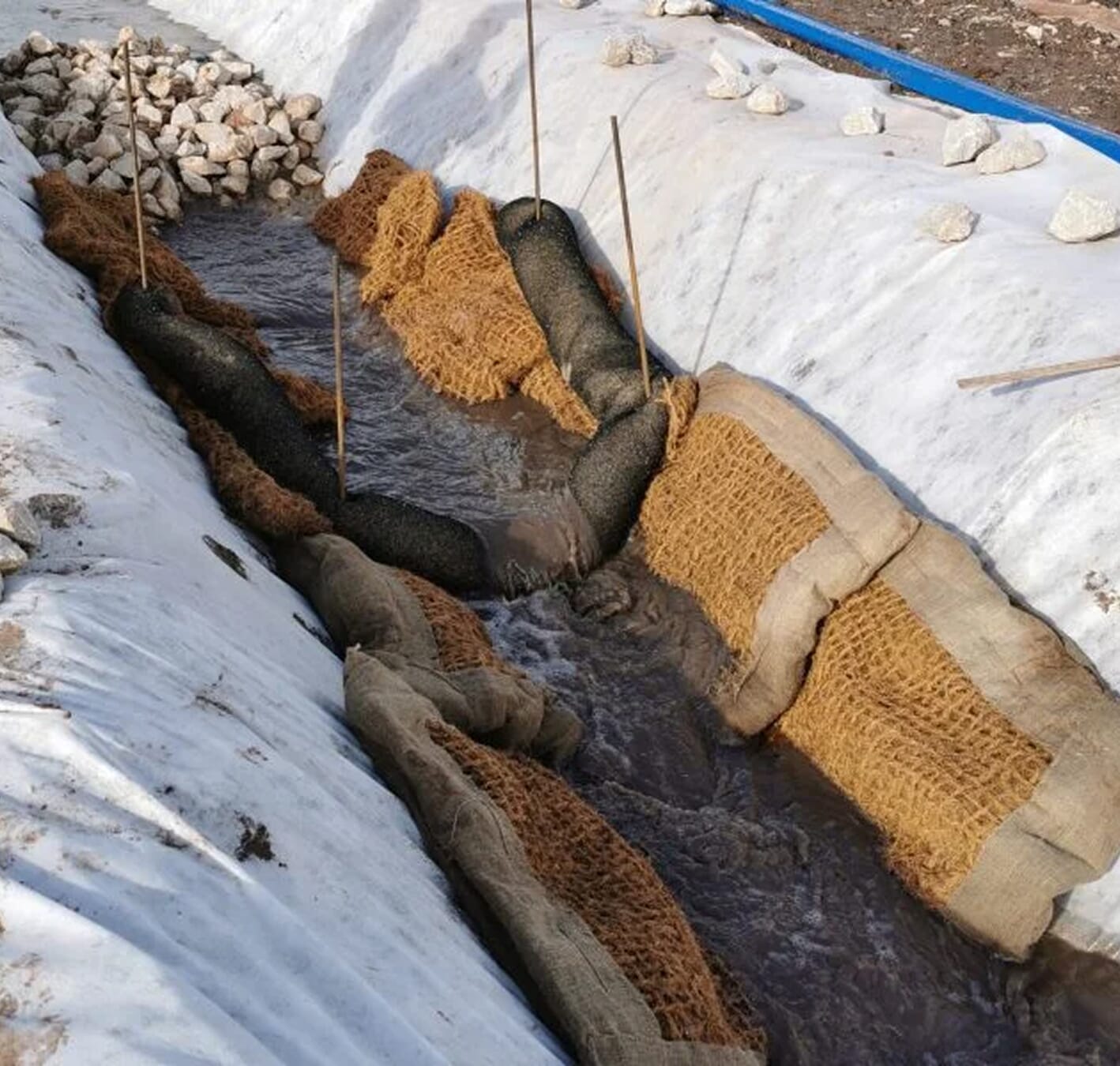

The Silt Mats worked perfectly, capturing sediment during excavation works of our new channel creation. We really appreciate your flexibility of getting them to us so swiftly.
Matthew Lyall, Senior Project Officer
Yorkshire Dales Rivers Trust

The surface water system drainage feature utilised innovative solutions from Frog Environmental.
A rain-ready strategy was implemented, which enabled the development of a robust management system capable of effectively managing fluctuations in weather conditions year-round.
This provided a timely, sustainable and cost saving solution for our client.
Anthony Jordan
RSK Geosciences

Innovative solutions I’d not considered before.
Jacobs

Knowledge Hub
Sharing good practice
-
![iStock-496472143]()
Construction runoff: Why misunderstanding sewers can lead to pollution
We explore the different types of sewers, when and how they are used, and the key considerations for managing site discharges, including when a discharge permit is required and how this links to wider environmental compliance.
Read Article -
![Trout in water with bubbles]() 14th May 202612:00 pm – 1:00 pm
14th May 202612:00 pm – 1:00 pmFree CPD webinar: Environmental risks and remedies when working in and near water
Minimising pollution risk and ensuring site teams are properly trained are critical components of effective site water management planning. Join our technical team for this free webinar.
View Event -
![Discharging water from site will often require a permit under environmental regulations]()
Discharge consent & environmental permitting webinar; a guide to discharging water from construction sites in England & Wales
Learn why environmental permits and consents for water discharge are needed and how to apply for one. Watch our free webinar for top tips on staying compliant including a detailed Q&A session.
View Video -
![iStock-1297288850]()
The cost of pollution: How construction sites can avoid heavy fines and bad press
Learn how construction sites can avoid pollution fines and bad press with practical guidance on silt control measures that are cost-effective and have a long-term benefit.
Read Article -
![Winter on a construction site showing silt and water management]()
Preparing a site for winter shutdown; managing water quality and pollution risks
Even when construction activity stops, your legal and environmental responsibilities don’t. Watch our free webinar for top tips on staying compliant and avoiding incidents.
View Video -
![Discharging-water-Large]() 22nd January 202612:00 pm – 1:00 pm
22nd January 202612:00 pm – 1:00 pmFree CPD webinar: Environmental permitting; a guide to discharging water from site in England and Wales
Join our free webinar which will provide the construction industry in England and Wales with background on the permitting structure and assistance on the key aspects needed to complete a bespoke permit application for discharging water off-site.
View Event -
![Construction site winter shutdown]()
How to prepare your site for winter shutdown: Managing water quality and pollution risks
Is your construction site prepared for its annual winter shutdown? Read top tips on staying compliant and avoiding incidents.
Read Article -
![Discharging water from site will often require a permit under environmental regulations]()
Environmental permitting: A guide to discharging water from site
This article provides the construction industry with background on the permitting structure and assistance on the key aspects needed to complete a bespoke permit application for discharging water off-site.
Read Article -
![Site-photo-no-branding.png?w=768&h=576&scale]()
Why it pays to be Rain Ready
Discover how being Rain Ready® can help construction companies manage water quality more effectively
Read Article