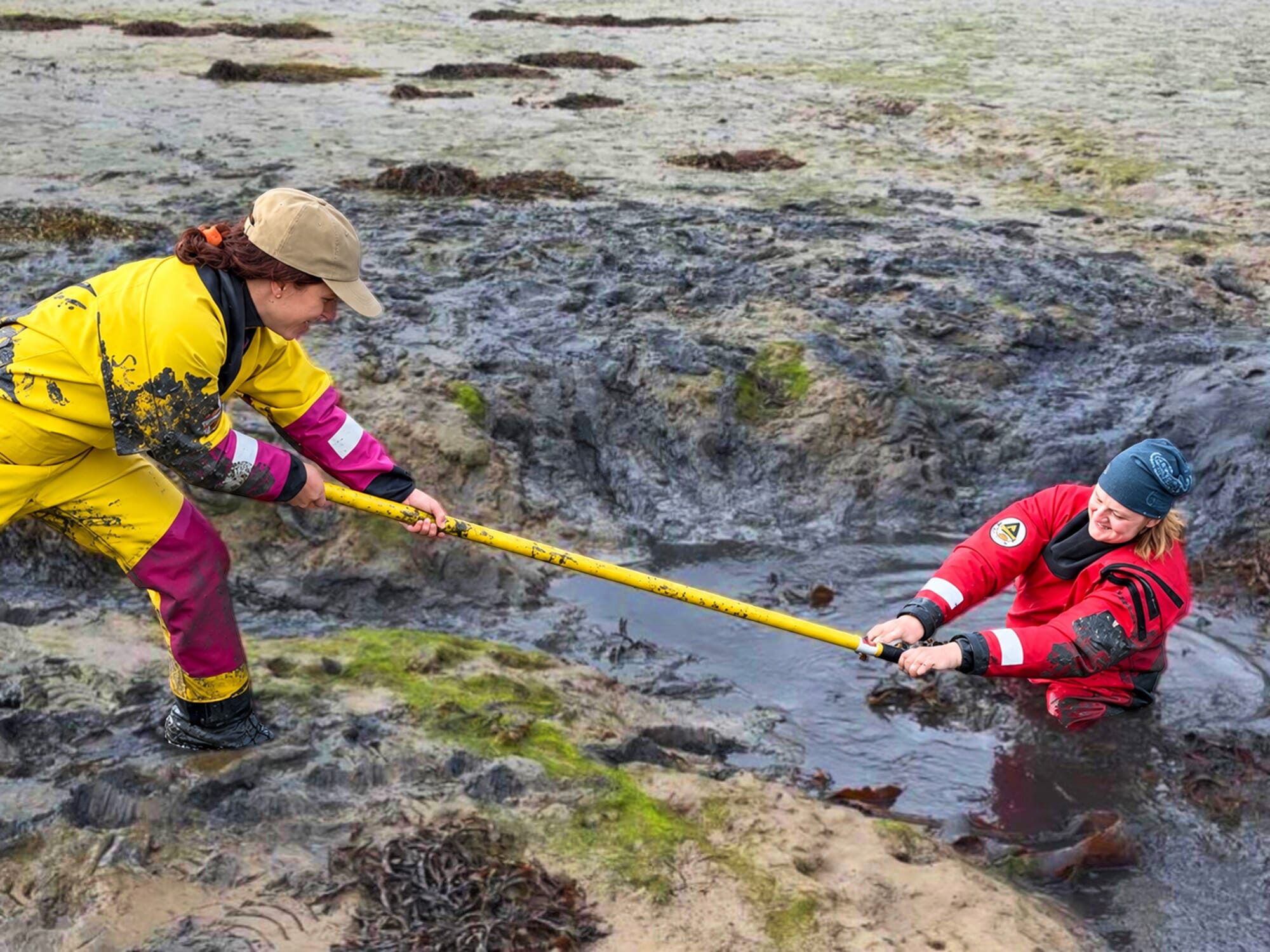
Deep Mud Safety: Why it belongs in every site induction.
Why is deep mud dangerous on site?
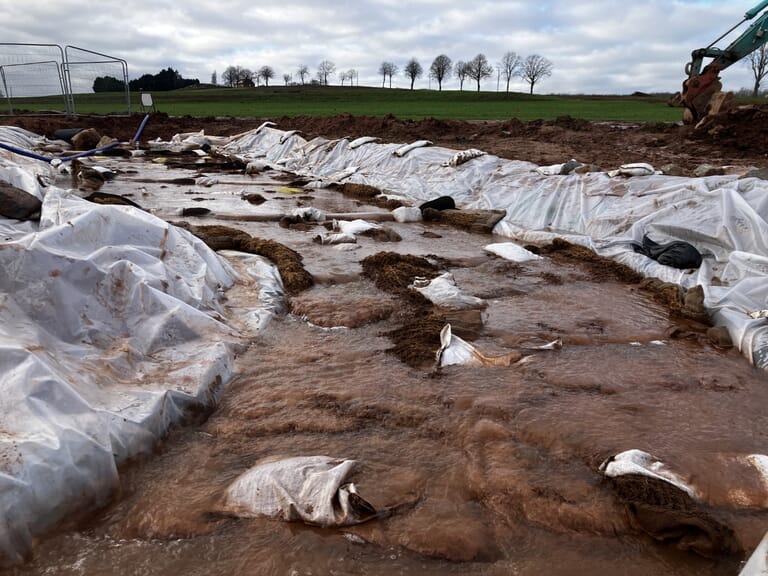
Deep mud is dangerous because it traps you through suction, making it very hard to free yourself. Once someone is stuck, cold, exhaustion and rising water can quickly turn a near miss into an emergency, and rescue is often slow and difficult.
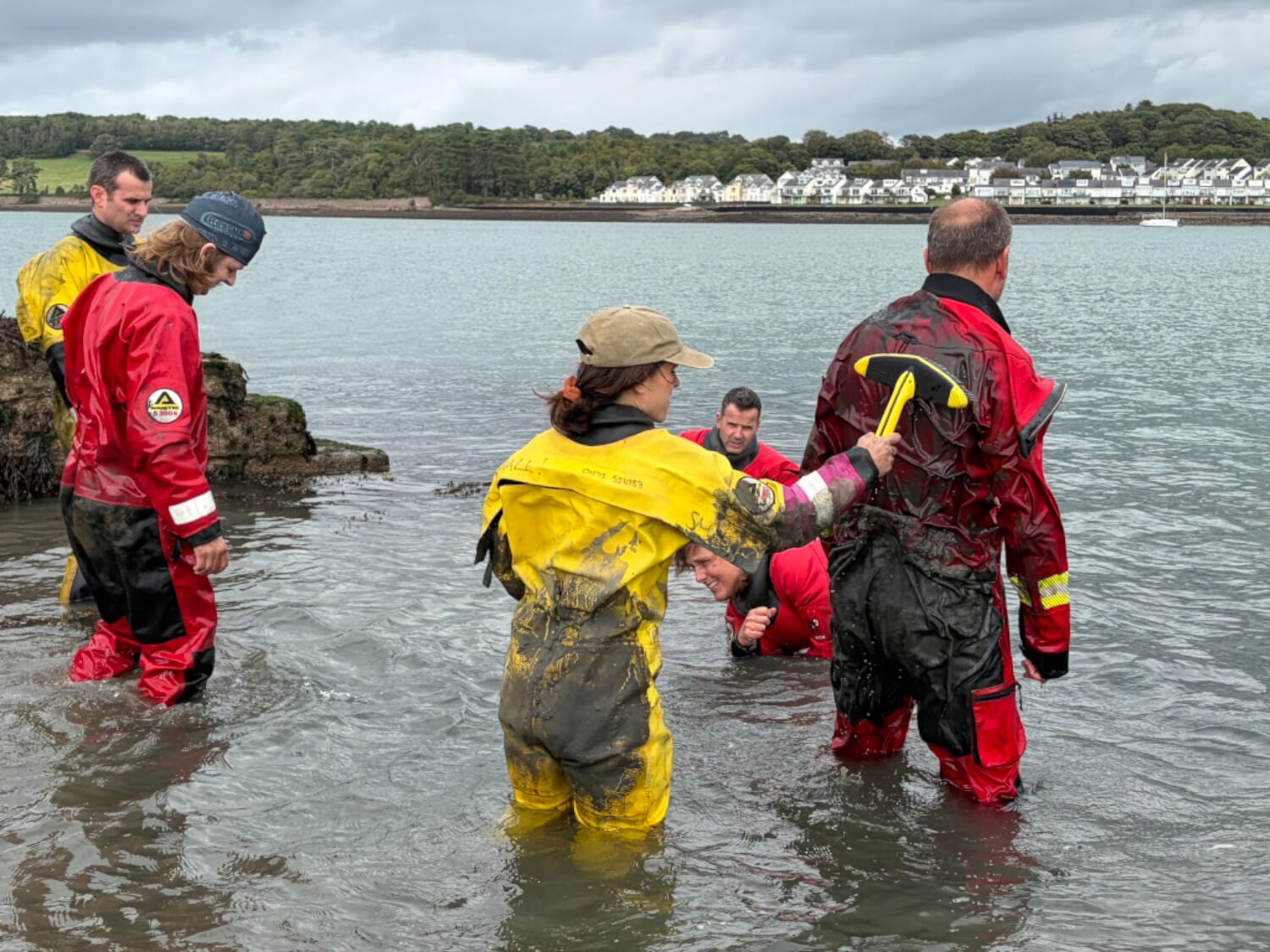
Our silt pollution control work often takes our technical team into wet and soft ground on construction sites. Last year, the team recorded several near misses involving deep mud. It was a clear sign that this hazard needed more attention, both within our own team and in the conversations we have with clients.
What did the Mud Safety course cover?
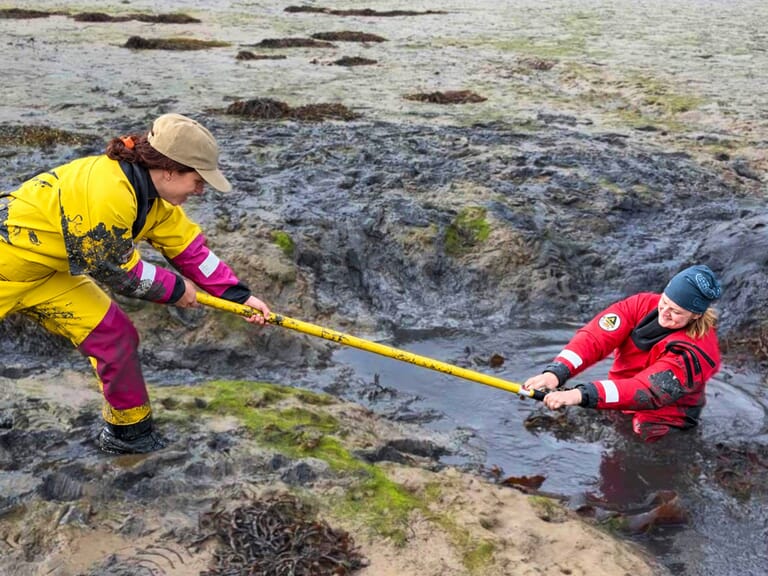
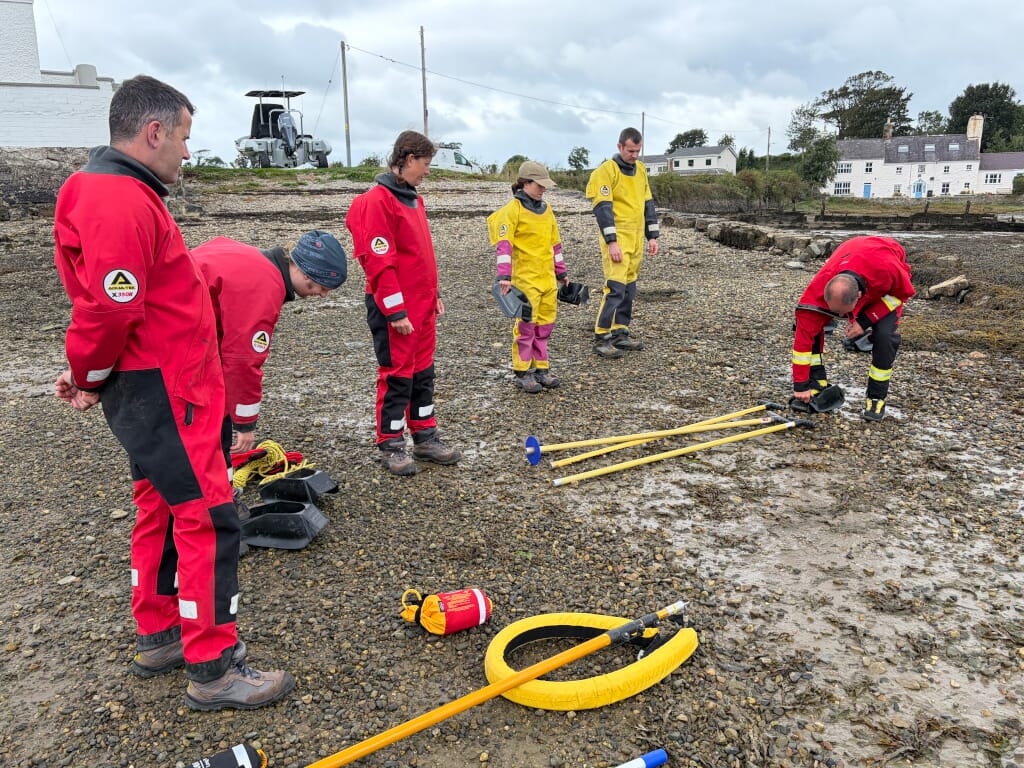
The course covered how deep mud traps people, how quickly entrapment can become serious, and what to do if you or a colleague get stuck. It was a Rescue 3 Europe accredited Mud Safety course, delivered by R3 Safety & Rescue.
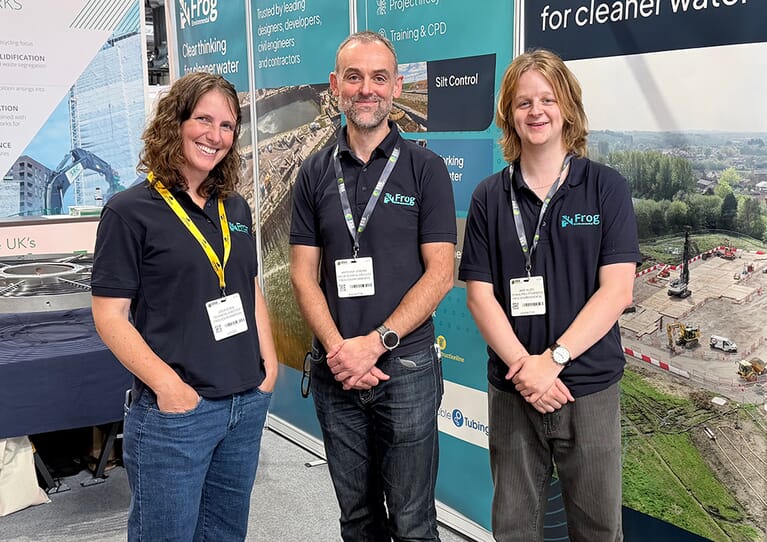
We brought the whole technical team together for the practical training, which focused on recognising the risks of deep mud and working safely in these challenging conditions.
What should you do if you get stuck in deep mud?
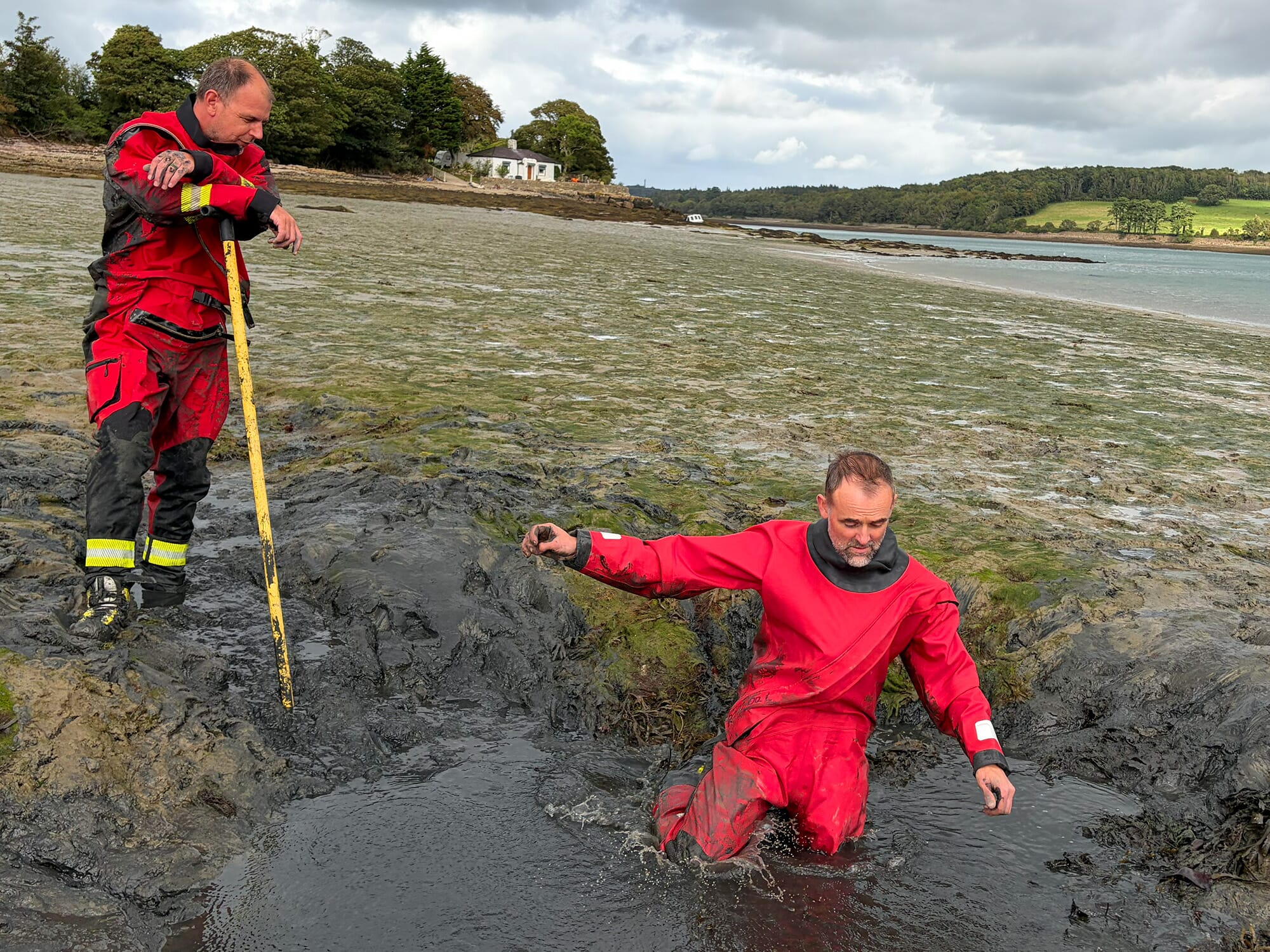
If you get stuck in deep mud, don’t struggle, spread your weight and raise the alarm early. Never go in after someone who is stuck. Here are the key lessons the team took away from the course:
- Don’t pull or struggle. Mud creates suction around a trapped leg, so pulling harder can drive you deeper. Move slowly and gently to help break the suction.
- Spread your weight. If you start to sink, lean back or get low to spread your weight over a bigger area and slow things down.
- Never go in after someone. Stay on firm ground, call 999 and ask for the fire service. If it’s safe, reach them with a pole, board or rope rather than stepping in.
- Raise the alarm early. Cold, exhaustion and rising water can quickly turn “stuck” into an emergency, so don’t wait to see if you can free yourself first.
How has the training changed the way we work?
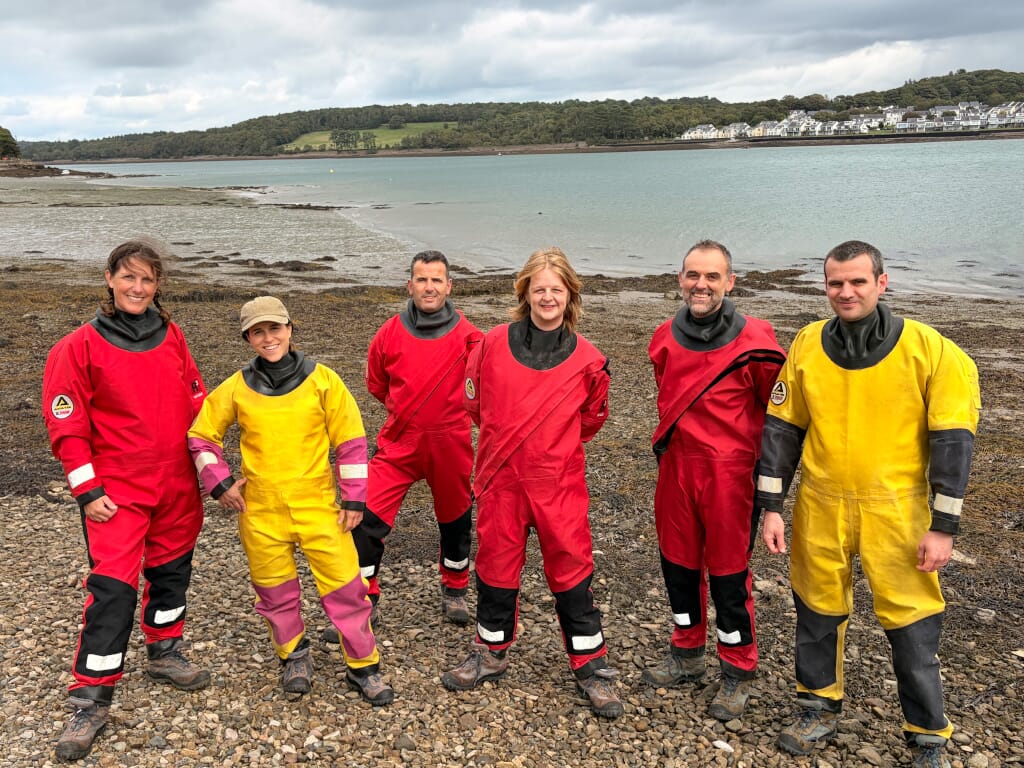
The course led to a review of our risk assessments and upgrades to our standard site safety kit.
It also got us thinking about the safest option of all: properly assessing risk, and not entering deep mud in the first place. It has changed how we talk to clients about this often-overlooked risk, so it’s discussed earlier, before work begins.
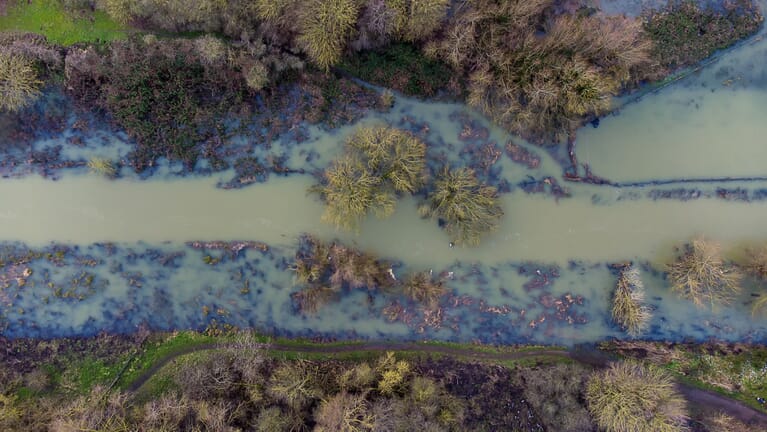
We’ll also be expanding our use of drones to capture images of areas that are too dangerous to enter. This means we can still assess and monitor those parts of a site without putting anyone at risk.
Why does safety matter in silt pollution control?
Silt pollution control can be a messy business, and that’s exactly why we take safety so seriously. We’d encourage every site team to consider whether deep mud is covered in their inductions and risk assessments.
A big thank you to R3 Safety & Rescue for a practical and engaging course.
Frequently asked questions
How can site teams avoid mud entrapment?
Identify areas of deep mud in risk assessments and site inductions, and avoid entering them wherever possible. Technology such as drones can capture images of areas that are too dangerous to enter.
If you’d like to talk about safe silt pollution control on your site, get in touch with our team.
Is deep mud more dangerous than deep water?
It can be. Mud traps you through suction, so it’s very hard to free yourself, and rescues are often slow and difficult. Deep mud is also rarely flagged as a hazard in site inductions, so people may not realise the risk.
Who should you call if someone is stuck in mud?
Call 999 and ask for the fire service. Stay on firm ground and never go in after them. If it’s safe, reach them with a pole, board or rope.
For products, services, training and technical sales support contact us or call 0300 431 8888.
Contact Us
Knowledge Hub
Sharing good practice
-
![Silt Capture Channel at Lowdham]() 26th November 202612:00 pm – 1:00 pm
Free CPD webinar: Be Rain Ready®, plan your site water management
Minimising pollution risk and ensuring site teams are properly trained are critical components of effective site water management planning. Join our technical team for this free webinar.
View Event -
![team-jake-apprentice-frog-environmental1]()
Meet Jake: Our First Civil Engineering Apprentice
Jake Allen has joined our technical team as an apprentice technical assistant. He’s working towards a civil engineering degree at the University of Derby.
Read Article -
![bubble curtain at Banff Marina]()
Bubble Curtain at Banff Marina
Frog Environmental has supplied a permanent Bubble Curtain at Banff Marina in Scotland. It is designed to reduce the amount of seaweed, silt and debris flowing into the marina, whilst allowing boats to move freely. The system was installed by Aberdeenshire Council’s Harbour Authority, and this article explains how it is being tested.
Read Article -
![Lintrathen_Reservoir_View]()
Bubble Curtain installation at Lintrathen Reservoir
We’ve designed and supplied a Bubble Curtain at Lintrathen Reservoir for Scottish Water, helping protect a raw-water offtake from algae.
Read Article -
![Team Mud Rescue Training]()
Deep Mud Safety: Why it belongs in every site induction.
Deep mud can be more dangerous than deep water, yet it’s rarely covered in site inductions.
Read Article -
![iStock-496472143]()
Construction runoff: Why misunderstanding sewers can lead to pollution
We explore the different types of sewers, when and how they are used, and the key considerations for managing site discharges, including when a discharge permit is required and how this links to wider environmental compliance.
Read Article -
![Trout in water with bubbles]() 14th May 202612:00 pm – 1:00 pm
Free CPD webinar: Environmental risks and remedies when working in and near water
Minimising pollution risk and ensuring site teams are properly trained are critical components of effective site water management planning. Join our technical team for this free webinar.
View Event -
![Discharging water from site will often require a permit under environmental regulations]()
Discharge consent & environmental permitting webinar; a guide to discharging water from construction sites in England & Wales
Learn why environmental permits and consents for water discharge are needed and how to apply for one. Watch our free webinar for top tips on staying compliant including a detailed Q&A session.
View Video -
![iStock-1297288850]()
The cost of pollution: How construction sites can avoid heavy fines and bad press
Learn how construction sites can avoid pollution fines and bad press with practical guidance on silt control measures that are cost-effective and have a long-term benefit.
Read Article